
The Best Fluffy Pancakes recipe you will fall in love with. Full of tips and tricks to help you make the best pancakes.
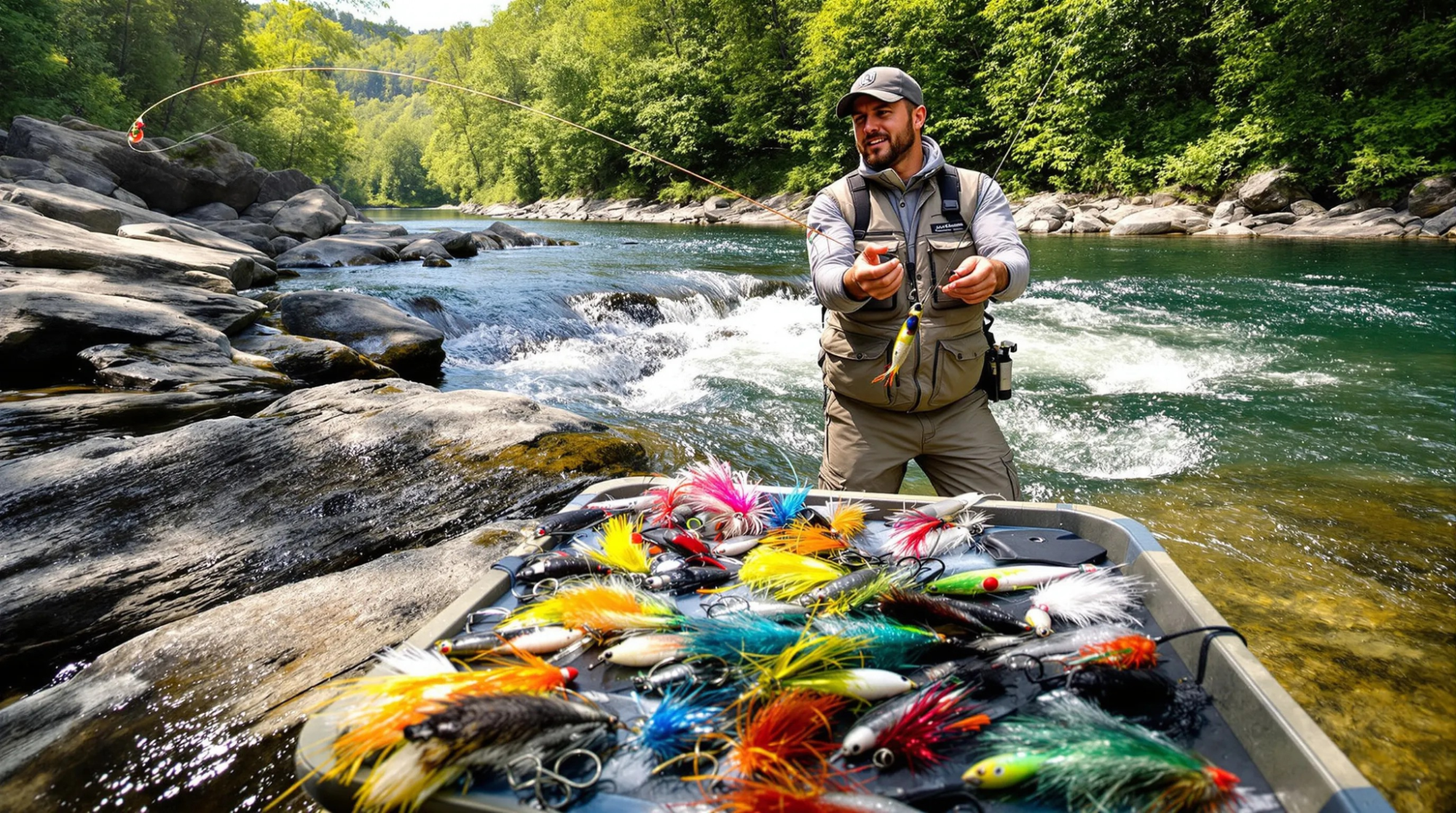
Pitching Streamers: A Comprehensive Guide

We’ve all been there, standing by the water, casting our line, only to see the fish swim casually past our bait as if it’s on a leisurely Sunday stroll. If you’re ready to end the frustrating game of fish hide and seek, it’s time to jump into the captivating world of streamer fishing. With the right techniques and tools, we can turn those elusive fish into our latest feast. So, grab your gear, and let’s get our streamer game on point.
Understanding Streamer Fishing
To truly master pitching streamers, we need to first understand what streamer fishing is all about. Streamers imitate the movement of baitfish, leeches, and other aquatic critters that fish love to munch on. By mimicking these natural prey, we can provoke aggressive strikes. Streamer fishing excels in both freshwater and saltwater settings, showing its versatility in various environments. The key lies in knowing when and where to use them effectively. Water conditions, time of day, and fish behaviors all play a significant role in our success.
Types of Streamers and Their Uses
When it comes to streamers, variety is the spice of life. We have an array of streamers to choose from, including:
Woolly Bugger: A classic that serves well in various situations, perfect for enticing trout.
Muddler Minnow: Great for fish looking for a larger meal, especially in low-light conditions.
Deceiver: Perfect for saltwater adventures, mimicking baitfish effectively.
Clouser Minnow: This one dives deeper, making it a go-to for aggressive fish.
Understanding each type helps us select the right one for the occasion.
Key Techniques for Pitching Streamers
Now that we know the types of streamers, let’s jump into pitching techniques. Casting a streamer isn’t just about the throw: it’s how we present it. Here are some techniques we find effective:
Strip Retrieve: This involves pulling the line in short, quick bursts. It creates an enticing movement that grabs a fish’s attention.
Swinging: Casting across the current and letting your streamer drift with it can provoke strikes from curious fish.
Dredging: Getting our streamers down near the bottom can entice those fish hiding close to the structure.
Experimenting with these techniques will help us discover what works best in different fishing conditions.
Choosing the Right Rod and Reel Setup
The gear we choose can make or break our streamer fishing experience. A longer rod allows for greater line control while casting, typically in the 9 to 10-foot range. For the reel, a solid drag system is essential to deal with sudden fish bursts. Line choice also matters: a weight-forward floating line can help us cast those heavy streamers easily. When selecting a rod and reel, we should focus on comfort and control to enhance our fishing experience.
Tips for Successful Streamer Fishing
Here are some tips that we can incorporate into our streamer fishing routine:
Monitor Water Conditions: Fish are more active during overcast days. Choose your fishing times accordingly.
Vary Retrieve Speeds: Don’t stick to a single speed: mix it up. Fish often respond to erratic movements.
Observe the Water: Look out for jumping fish or insect activity. These clues can lead us to success.
Practice: Like any skill, practice makes perfect. Regular casting will improve our accuracy and confidence.
Common Mistakes to Avoid
Even seasoned anglers can fall into a trap of common mistakes. Here’s what we should watch out for:
Casting too close to structure: While fish may hide there, too close a cast can snag our gear.
Sticking to one type of streamer: Diversifying can open up new opportunities.
Not adjusting retrieves: If the fish aren’t biting, it’s time to switch up our technique.
By avoiding these pitfalls, we enhance our chances of landing that prized catch.